

Don’t Ignore That Broken Tooth
A broken, chipped or split tooth might seem like just a cosmetic issue—but ignoring it could lead to far more serious problems. Whether you bit into something too hard, suffered an accident, or have an old filling that finally gave out, broken tooth repair should be at the top of your priority list.
A small chip in your front tooth might make you self-conscious, while a chipped molar tooth could make it painful to chew or leave your tooth vulnerable to decay and infection. Left untreated, even minor damage can turn into a major issue requiring more invasive procedures like a root canal or even tooth extraction.
Fortunately, modern dentistry offers a wide range of options to fix a broken tooth, from simple bonding and dental restoration to advanced procedures like dental implant repair. And the best part? Many of these fixes are faster, more comfortable, and more affordable than you might expect.
This blog will walk you through everything you need to know about broken teeth repair—including how to fix a chipped back tooth, options for broken front tooth repair, what to do in a dental emergency, and how to choose the right treatment for your needs.
So if you’re wondering, “How do I fix a chipped tooth?” or “Is it possible to repair a broken molar?” — you’re in the right place.
Let’s get started.
Table of Contents
- Common Causes of Broken, Chipped, or Cracked Teeth
- Immediate Steps to Take After Breaking a Tooth
- Types of Tooth Damage and Their Severity
- Professional Broken Tooth Repair Options
- Dental Bonding
- Dental Veneers
- Dental Crowns
- Root Canal Therapy
- Tooth Extraction
- At-Home Care Tips Before Seeing a Dentist
- How to Prevent Future Tooth Damage
- Frequently Asked Questions About Broken Tooth Repair
- Conclusion: Restoring Your Smile with Confidence
Common Causes of Broken or Chipped Teeth
Teeth are remarkably strong—but they’re not invincible. Over time, everyday habits, accidents, and underlying dental issues can lead to chips, cracks, or even full breaks. Understanding what causes tooth damage is the first step in preventing it—and in knowing when to seek prompt broken tooth repair.
Here are some of the most common culprits behind chipped, broken, or cracked teeth:
1. Biting Down on Hard Foods
Crunching ice, biting into hard candies, popcorn kernels, or even tough bread crusts can lead to a chipped molar tooth or crack a weakened back tooth. These accidents often happen suddenly and may or may not cause pain right away.
2. Accidents and Trauma
A slip and fall, sports injury, or car accident can easily result in a broken front tooth or other visible damage. Even minor trauma—like being bumped in the mouth—can cause a small chip that worsens over time.
3. Tooth Decay and Cavities
Weakened enamel from cavities or untreated decay makes teeth more vulnerable to breaking. In these cases, a small chip may reveal a deeper structural issue requiring more extensive tooth restoration.
4. Old or Failing Dental Work
Fillings, crowns, or veneers can wear down or become loose, compromising the structure of the tooth and leading to a break. Dental implant repair may be necessary if an implant-supported crown is damaged.
5. Teeth Grinding (Bruxism)
Clenching or grinding your teeth—especially at night—puts enormous pressure on your enamel and can result in small cracks or chips. Over time, this can lead to a cracked tooth or multiple broken teeth.
6. Using Teeth as Tools
Using your teeth to open bottles, rip open packages, or hold items may seem harmless, but it significantly increases the risk of sudden chipping or breakage.
7. Sudden Temperature Changes
Rapid temperature changes (like biting into something hot and then drinking ice water) can cause your teeth to expand and contract, potentially leading to cracks over time.
What to Do Immediately After Breaking a Tooth
When you crack, chip, or break a tooth, time matters. Whether it’s a small chipped front tooth or a painful chipped molar tooth, knowing what to do in those first few minutes can make all the difference in your outcome—and your comfort.
Here’s what you should do right away if you break or chip a tooth:
Step 1: Stay Calm and Assess the Damage
Take a deep breath. Use a mirror or ask someone to help inspect the tooth. Is it a minor chip, a full break, or a tooth that’s been knocked loose? Any sign of bleeding, swelling, or severe pain means you should contact a dentist immediately.
Step 2: Rinse with Warm Salt Water
Rinsing your mouth with warm salt water helps clean the area and reduce the risk of infection. This is especially important if the break is sharp or exposed.
Step 3: Control Any Bleeding
If there’s bleeding, gently press a clean gauze or cloth to the area. Bleeding typically stops within 10 minutes. If it doesn’t, seek emergency dental or medical care.
Step 4: Save Any Broken Pieces
If a piece of the tooth broke off, store it in a clean container with milk or saliva. Bring it with you to the dentist—sometimes it can be bonded back onto the tooth as part of the broken tooth repair process.
Step 5: Protect the Area
For sharp edges that may cut your tongue or cheeks, apply dental wax (available at most pharmacies) to cover the area until you can be seen. Over-the-counter pain relievers like ibuprofen can help reduce discomfort.
Step 6: Avoid Certain Foods
Stick to soft foods and avoid chewing on the damaged side of your mouth. Hard or crunchy foods could worsen the break or cause more pain.
Step 7: Call Your strong>Dentist Immediately
Even if the tooth doesn’t hurt, it’s still important to get professional care as soon as possible. Delaying treatment can lead to infection, nerve damage, or the need for more advanced tooth restoration procedures like crowns or dental implants.
How Dentists Repair a Chipped or Broken Tooth
Millions of people experience cracked or chipped teeth every year—and thanks to modern dentistry, there are several highly effective ways to fix them.
The treatment your dentist recommends will depend on the severity of the damage, the location of the tooth, and your overall oral health. Here’s a breakdown of the most common methods for broken teeth repair, from minor chips to full restorations.
Minor Chips or Small Breaks
1. Dental Bonding (Tooth-Colored Composite)
- Best for: Small chips or surface cracks (often on front teeth).
- How it works: The dentist uses a tooth-colored resin to fill in or rebuild the chipped area. It’s shaped and hardened with a special light.
- Benefits: Quick, affordable, and painless. Often done in a single visit.
2. Enamel Shaping or Contouring
- Best for: Very minor chips or rough edges.
- How it works: The dentist smooths and polishes the enamel to improve appearance and bite.
- Benefits: No numbing needed; ideal for aesthetic improvements.
Moderate Breaks or Structural Damage
3. Tooth-Colored Fillings
- Best for: Chipped molar tooth or small cracks on back teeth.
- How it works: Composite resin is used to restore lost tooth structure.
- Benefits: Natural look and feel; preserves more of your natural tooth.
4. Dental Crowns
- Best for: Large breaks, fractures, or weakened teeth.
- How it works: A dental crown (cap) covers the entire visible portion of the tooth, restoring strength and appearance.
- Benefits: Long-lasting and protective—especially for chipped back teeth.
5. Inlays and Onlays
- Best for: Damage too big for a filling but not requiring a full crown.
- How it works: Custom-made restorations bonded to the damaged area.
- Benefits: Durable and precise; often made from porcelain or composite.
Severe Breaks or Tooth Loss
6. Root Canal Therapy
- Best for: Cracks or breaks that expose the nerve or pulp.
- How it works: Infected or damaged pulp is removed, the tooth is sealed, and typically topped with a crown.
- Benefits: Saves the natural tooth and prevents extraction.
7. Dental Veneers
- Best for: Cracked or chipped front teeth with cosmetic concerns.
- How it works: Thin porcelain shells are bonded to the front of the tooth.
- Benefits: Stunning cosmetic transformation with added protection.
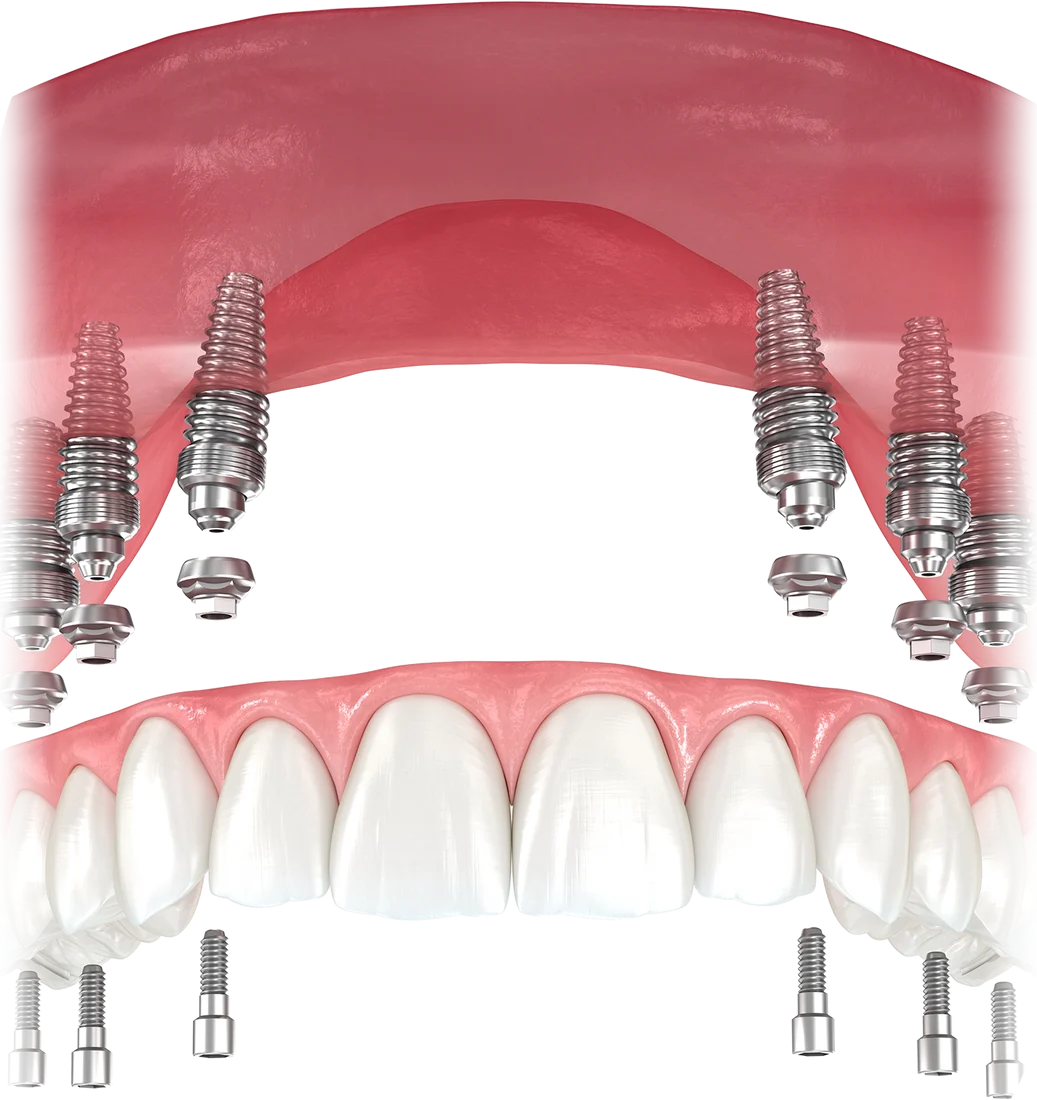
- Best for: Severely broken or missing teeth that cannot be repaired
- How it works: A titanium post is surgically placed in the jaw to serve as a root, topped with a crown for a natural appearance.
- Benefits: Permanent, durable, and lifelike replacement.
Fixing Previously Repaired Teeth
Sometimes, an old crown or implant-supported tooth may chip or crack. In that case:
9. Dental Implant Repair
- Best for: Damaged implant crowns or loose abutments.
- How it works: The crown may be replaced or re-secured, depending on the issue.
- Benefits: Preserves the implant while restoring function and appearance.
Temporary vs. Permanent Tooth Repairs
When you break or chip a tooth, one of the first decisions you’ll face is whether to pursue a temporary fix or go straight for a permanent solution. Depending on the extent of the damage, your oral health, and how quickly you can see your dentist, both options may play a role in your treatment plan.
Here’s what you need to know about short-term and long-term tooth restoration options—and when each makes sense.
Temporary Tooth Repairs: A Quick Fix for Immediate Relief
Temporary solutions are often used to stabilize the tooth, reduce pain, or improve appearance until a more permanent treatment can be scheduled. They are not designed to last long but can be lifesavers in a pinch.
Common Temporary Fixes Include:
- Dental Cement or Bonding Kits (At-Home)
- Available at most pharmacies
- Used to fill in small chips or cracks
- Provides a short-term barrier to reduce sensitivity
- In-Office Temporary Fillings or Crowns
- Placed by your dentist after emergency visits
- Stabilize broken teeth or protect nerves until a permanent solution can be completed
- Temporary Dental Crowns
- Often used when a crown has been damaged or lost
- Helps protect the tooth structure while waiting for a lab-made crown
Best For:
- Chipped back tooth or chipped molar tooth with pain or sensitivity
- Delayed dental appointments due to travel or scheduling
- Patients awaiting custom dental implant repair or permanent crowns
Limitations:
- Less durable than permanent solutions
- May discolor or wear down quickly
- Not meant to handle heavy chewing or biting pressure
Permanent Tooth Repairs: Long-Term Solutions for Health and Aesthetics
When you’re ready for a lasting solution, your dentist will recommend a dental restoration that addresses both form and function. These are custom-designed to restore your smile, preserve oral health, and withstand everyday wear and tear.
Common Permanent Treatments Include:
- Composite Bonding
- Great for broken front tooth repair
- Blends seamlessly with natural teeth
- Often completed in a single visit
- Porcelain Veneers
- Ideal for chipped or discolored front teeth
- Long-lasting and stain-resistant
- Dental Crowns
- Encapsulate and protect a broken tooth
- Typically used for molars or teeth with large damage
- Dental Implants
- The gold standard for replacing a fully broken or extracted tooth
- Anchored in the jaw for permanent stability and function
Advantages:
- Natural look and feel
- Restores full bite function
- Long-lasting results (often 10+ years or more)
- Minimal maintenance with proper care
Which Option Is Right for You?
Here’s a quick comparison to help you decide:
| Factor | Temporary Repair | Permanent Repair |
|---|---|---|
| Duration | Days to a few weeks | Years to a lifetime |
| Purpose | Immediate relief or coverage | Full restoration |
| Cost | Typically lower upfront | Higher investment, longer value |
| When to Choose | Emergency care, delays | For optimal health and aesthetics |
If you’re not sure which route to take, start with a dental evaluation. Your dentist can recommend the best plan based on your specific needs, whether you’re dealing with a chipped molar tooth, broken front tooth, or need dental implant repair.

How Much Does It Cost to Fix a Broken Tooth?
One of the first questions many people ask after cracking or chipping a tooth is: “How much will this cost to fix?” The answer depends on several factors, including the extent of the damage, the tooth’s location, and the type of dental restoration required.
Here’s a breakdown of the average costs for common broken tooth repair treatments, along with what affects pricing and what insurance may or may not cover.
Cost by Type of Tooth Repair
| Treatment | Estimated Cost (Without Insurance) | Best For |
|---|---|---|
| Dental Bonding | $150 – $500 per tooth | Small chips, front teeth |
| Dental Veneers | $900 – $2,500 per tooth | Cosmetic front tooth repair |
| Tooth-Colored Fillings | $150 – $300 per tooth | Small to medium chips in molars |
| Dental Crowns | $800 – $2,000 per crown | Large fractures, chipped molar tooth |
| Inlays/Onlays | $700 – $1,500 | Mid-sized molar restorations |
| Root Canal + Crown | $1,200 – $2,500+ | Deep cracks affecting nerve |
| Dental Implant Repair | $500 – $3,000+ | Damaged crowns or abutments |
| Dental Implants | $3,000 – $6,000+ (per implant) | Severely broken or missing teeth |
💡 Note: These prices vary based on your location, your dentist’s expertise, the materials used, and whether you’re visiting a general dentist or a specialist.
Factors That Affect Broken Tooth Repair Costs
- Severity of the Damage
- A small chipped back tooth may require only a filling, while a broken molar with nerve exposure might need a root canal and crown.
- Tooth Location
- Front teeth may need more cosmetic attention (like veneers), which can be more expensive.
- Molars often need stronger restorations to withstand bite force.
- Type of Restoration
- More complex solutions like dental implants or multi-step tooth restoration procedures naturally cost more than quick cosmetic fixes.
- Material Choice
- Porcelain or ceramic restorations tend to cost more than composite or metal options but offer superior aesthetics.
- Dentist’s Experience and Technology
- Practices that use digital imaging, advanced bonding techniques, or same-day crown technology may charge more but offer greater convenience and precision.
Does Dental Insurance Cover Broken Tooth Repairs?
In many cases, yes—dental insurance will cover part or all of the cost for medically necessary treatments. For example:
- Covered: Fillings, crowns, root canals, and extractions
- Partially Covered or Cosmetic Only: Veneers or bonding for minor chips may not be fully covered
- Not Typically Covered: Full dental implants, unless there’s a restorative need or injury-related claim
Make sure to check your plan’s benefits and ask your dental office to provide a pre-treatment estimate.
What If I Can’t Afford to Fix My Broken Tooth Right Away?
Delaying treatment can lead to more expensive procedures later. If cost is a concern, consider these options:
- Payment plans or dental financing
- Dental discount plans or savings memberships
- Temporary repairs as a short-term solution
Final Word on Cost
Fixing a broken tooth can range from a couple hundred dollars to several thousand—but the value of preserving your oral health and avoiding further complications is priceless. Whether you’re dealing with a chipped front tooth, a damaged dental implant, or need broken teeth repair after an accident, it’s always best to act quickly and explore your options with a professional.
Choosing the Right Dentist for Tooth Repair
When it comes to fixing a broken tooth, experience matters. Whether you’re dealing with a minor chipped front tooth, a chipped molar tooth, or need advanced dental restoration after an accident, selecting the right dental professional can mean the difference between a temporary fix and a lasting solution.
Here’s how to choose the best dentist to repair your chipped, cracked, or broken teeth—especially if you’re considering more advanced procedures like dental implant repair or cosmetic restorations.
1. Look for a Dentist with Restorative & Cosmetic Experience
Not all dentists specialize in broken teeth repair. Look for one with training or experience in:
- Restorative dentistry (crowns, bridges, implants)
- Cosmetic dentistry (veneers, bonding, smile makeovers)
- Emergency dental care
- Tooth preservation and tooth restoration strategies
A dentist who offers both general and cosmetic services can give you options based on function, appearance, and budget.
2. Ask About Available Tooth Repair Options
A good dentist will not push one solution but instead explain:
- Whether the chip or break requires a crown, bonding, or filling
- If you’re a candidate for dental implants for missing or severely damaged teeth
- Temporary vs. permanent repair routes
- Expected lifespan of each treatment option
- Cost and insurance coverage for each
Transparency is key in ensuring you feel confident in your treatment plan.
3. Check Technology and Materials Used
Modern dental practices often use advanced tools that can improve precision and comfort:
- Digital X-rays and 3D imaging
- CAD/CAM for same-day crowns
- Tooth-colored composite resins
- Durable porcelain or ceramic crowns
- Laser-assisted treatments for gum contouring or preparation
The quality of materials and technology used will impact how long your tooth restoration lasts and how natural it looks.
4. Read Patient Reviews and Testimonials
Online reviews give valuable insight into:
- Patient satisfaction
- Comfort during procedures
- How well the dentist explains treatment options
- Results for chipped or broken tooth repairs
5. Prioritize Comfort and Communication
A good dentist will take time to listen to your concerns, clearly explain your options, and ensure you feel at ease throughout the process. This is especially important for patients with dental anxiety or those undergoing more complex procedures.
Look for signs that the practice prioritizes:
- Gentle care and pain management
- Customized treatment plans
- Clear financial estimates and options
- Respect for your time and concerns
6. Consider Specialists for Complex Cases
In cases where your break involves a previous restoration, implant, or root canal, a general dentist may refer you to a:
- Prosthodontist (for complex restorations)
- Endodontist (if a root canal is needed)
- Oral surgeon (for surgical extractions or implant placement)
This kind of collaboration ensures you get the best outcome possible, particularly if you’re dealing with a failed crown or a damaged dental implant.
Final Tip: Schedule a Consultation Before Committing
A consultation gives you the chance to:
- Ask questions about your tooth repair options
- Understand treatment timelines
- Review costs and payment options
- Get a second opinion if needed
Most importantly, it lets you get a feel for whether the dental team is the right fit for you.
How to Prevent Broken Teeth in the Future
While accidents can’t always be avoided, many instances of chipped, cracked, or broken teeth are preventable. After you’ve gone through the process to fix a broken tooth, the last thing you want is to deal with another one. Fortunately, with a few smart habits and dental precautions, you can significantly reduce your risk.
Here’s how to protect your teeth—and your investment in dental work—from future damage.
1. Don’t Use Your Teeth as Tools
It’s tempting to rip open a package or bite off a clothing tag with your teeth, but doing so increases the risk of fractures. Your teeth are meant for chewing food—nothing more. Using them to cut, twist, or pull things is one of the fastest ways to end up needing another tooth restoration.
2. Wear a Mouthguard for Sports or Night Grinding
If you play contact sports or grind your teeth at night (bruxism), you’re at high risk for tooth damage. A custom mouthguard can:
- Protect your teeth from trauma or impact
- Prevent chips, cracks, and fractures
- Extend the life of dental restorations and dental implant repairs
Your dentist can create a custom-fit mouthguard that’s far more effective than over-the-counter versions.
3. Avoid Chewing Hard Foods and Objects
Hard items like ice, popcorn kernels, pens, fingernails, and even certain candies can easily cause a cracked tooth. Be mindful of what you’re putting in your mouth—and chew carefully.
4. Practice Good Oral Hygiene
Strong, healthy teeth are less prone to breaking. Brush twice a day, floss daily, and rinse with an antibacterial mouthwash to reduce your risk of decay and structural weakness that can lead to breaks.
Preventive care is especially important if you’ve had prior broken teeth repair or dental implant repair, since surrounding teeth need to stay healthy to support your overall dental structure.
5. Keep Up with Regular Dental Visits
Routine checkups allow your dentist to spot weak spots, small cracks, or old fillings that may be at risk of breaking. By catching problems early, you can fix them before they turn into a full-blown broken tooth.
Dentists can also monitor wear and tear on tooth restorations, like crowns or bonding, and replace them before they fail.
6. Strengthen Your Teeth with the Right Diet
What you eat plays a major role in your oral health. Nutrients like calcium, phosphorus, and vitamin D support enamel strength and bone health.
Focus on:
- Dairy products (cheese, yogurt, milk)
- Leafy greens
- Nuts and seeds
- Fatty fish (like salmon)
- Water (especially fluoridated water)
Avoid frequent sugary snacks and acidic drinks, which weaken enamel and make your teeth more prone to damage.
7. Fix Small Problems Before They Get Bigger
A small chip or sensitivity might not seem urgent—but it’s often a warning sign. Minor damage can easily turn into a major issue, requiring more costly procedures like crowns, root canals, or even dental implants.
Don’t wait. Getting a quick chipped tooth repair now can save you pain and money down the road.
When to See a Dentist for a Chipped or Broken Tooth
If you’ve chipped or broken a tooth, it’s easy to downplay it—especially if there’s no immediate pain. But waiting too long can lead to bigger, costlier problems. So, how do you know when to seek professional help?
Here are key signs it’s time to call your dentist:
✅ The Tooth is Sharp or Jagged
Even a minor chipped front tooth or chipped back tooth can create sharp edges that cut your tongue or cheeks. A dentist can smooth it or apply bonding to prevent further irritation.
✅ You Experience Pain or Sensitivity
If hot or cold foods suddenly make you wince, the damage may have exposed the inner layers of your tooth. This could mean a crack or nerve involvement that needs immediate tooth restoration or even a root canal.
✅ There’s Visible Damage or a Missing Piece
A broken front tooth is usually obvious, but cracks in molars can be harder to detect. If a piece of the tooth is missing, or a crown has come loose, don’t delay—especially if you’ve had dental implant repair work done in the past.
✅ The Tooth Feels Loose
A loose tooth is a dental emergency. Whether it’s from trauma, decay, or structural failure, only a dentist can determine the appropriate fix.
✅ Swelling or Discoloration
Discoloration, swelling, or pus near the gum line may signal an infection. If ignored, it can spread and require tooth extraction or more invasive treatments.
Bottom line?
If you’re searching for “how to repair a chipped tooth” or “fix broken tooth fast,” the safest bet is to let a dentist examine it right away. Acting quickly often leads to simpler, less expensive repairs.
Restore Your Smile with the Right Treatment
A broken or chipped tooth can be more than just a cosmetic concern—it can affect your comfort, function, and oral health. Whether it’s a chipped molar tooth, a broken front tooth, or damage to a previous dental implant, there’s a solution that fits your needs.
From bonding and crowns to full dental restoration, modern dentistry offers advanced techniques to fix broken teeth efficiently and beautifully. The key is to act fast, work with a skilled dental professional, and explore the best options for your specific situation.
Ready to Fix That Broken or Chipped Tooth?
At Ridgetop Dental Implants, we specialize in advanced tooth repair solutions—from simple bonding to full dental implant restoration. Whether you’re dealing with a chipped front tooth, a cracked molar, or need expert dental restoration, our experienced team in Reston and Sterling, VA is here to help you regain comfort, function, and confidence.
✅ State-of-the-art technology
✅ Personalized treatment plans
✅ Trusted by thousands across Northern Virginia
📅 Schedule your consultation today and let us help you restore your healthiest, happiest smile.
👉 Visit RidgetopDentalImplants.com to get started. Your smile deserves expert care!